
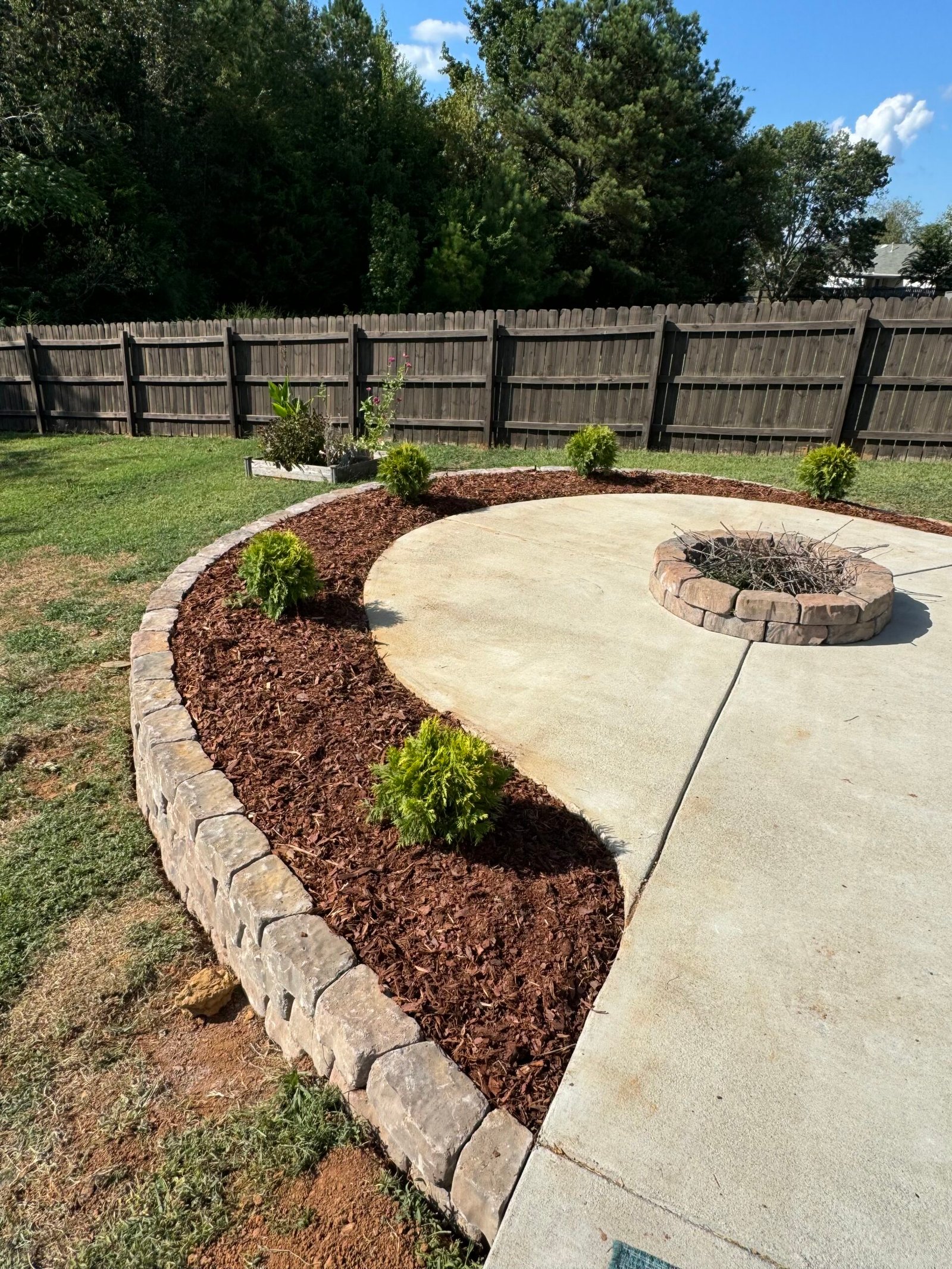
While many homeowners think sod installation is merely picking out a variety of grass and hiring a crew, timing is a critical component of the process and can make or break the success of a new lawn during the first year. Soil temperature, rain and grass dormancy cycles vary throughout the year in Madison, Huntsville, Harvest, and Athens and change when considering each species.
A sod-installation Company which installs a year-round with no seasonal considerations is setting homeowners up for unnecessary root establishment issues.
It’s not the convenience of a sod installation date, it’s the true science of what makes sod root properly that can make the difference between a smooth sod installation and months of expensive patchwork.
Why Timing Matters More Than People Think
The sod is really a living transplant, a whole plant section of mature sod whose root system has been intentionally cut short when it was cut up. The first few weeks after installation is a battle between root re-establishment in the new soil and environmental stresses such as heat, drought and cold working.
The hot summer months can cause an increased moisture loss and root establishment as sod is installed, which is why late spring and early fall are always the best times of the year to plant sod in North Alabama.
Late fall fertilization, on the other hand, can allow sod to remain with no root growth for many months, making it more susceptible to disease and winter kill before it has a chance to become established.
Soil Temperature, Not the Calendar, Is the Real Deciding Factor
Although it is convenient to schedule relationships by the calendar, soil temperature is a better indicator of rooting success. Alabama’s warm season grasses generally have the most vigorous root systems when soil temperatures are kept in a temperature zone conducive to vigorous growth, typically occurring in mid to late spring and early autumn before the first cold snap.
Sodding in cold soil retards penetration of the soil surface and makes the sod susceptible to frost heave or wear and tear from walking, before it is securely rooted. That’s why a professional installer takes into consideration soil conditions before relying on a blanket seasonal schedule.
Matching the Season to Expected Rooting Outcomes
| Season | Soil Conditions | Rooting Outcome |
| Early Spring | Soil warming, moderate rainfall | Strong rooting window before summer heat |
| Peak Summer | High heat, rapid moisture loss | Higher risk, requires intensive watering |
| Early Fall | Warm soil, cooling air temps | Ideal window for most Alabama lawns |
| Winter | Cold, often dormant soil | Root establishment significantly slowed |
The First 21 Days: What Determines Whether Sod Roots or Fails
The first three weeks after sod is installed is the most important time in a sod’s life. In this timeframe, regular watering schedules are more critical than nearly any other maintenance aspect, sod that dries out, even for short periods, during this time frame can be at risk of suffering permanent stress.
Foot traffic should be kept to a minimum to prevent killing root hairs before they can secure to the underlying soil and mowing should not start until the sod pulls back moderately when tugged.
This window is also directly influenced by grading and soil preparation work done prior to sod installation, as poor ground grading results in uneven moisture retention with some areas of sod having good rooting and others poor rooting, even in standing water or areas of too much or too little moisture.
Grass Variety Also Shapes the Ideal Installation Window
The following numbers are guidelines to seed establishment timing, which vary slightly based on the grass species chosen for a site. Most warm season varieties found in north Alabama lawns prefer the window of spring through early fall as mentioned above because most of them grow best when soil temperatures remain warm.
People who are changing their lawn from a different type should also consider a “ramping up” period, as removing old lawns and preparing the soil correctly takes time, and shouldn’t be rushed to meet an installation date. One of the more common problems that a well-timed installation still has is failing to prepare the soil in a timely manner because of a self-imposed deadline.
Choosing a Team That Understands Timing-Sensitive Installation
Sod-installation Contractors who consider soil temperature, moisture and time of year before scheduling a project to sod, not installing on autopilot, always have lawns that take root faster and need less remedial work.
The bottom line for homeowners in Madison, Huntsville, Harvest, and Athens is that the specific day of the month is less important than the actual soil and drainage conditions. A good sod installation contractor will visit the property, assess the soil and drainage, and determine the right time to install sod based on those conditions rather than simply following a fixed production schedule.
Green Legacy Landscaping takes each sod installation and applies this to all of these factors, from preparing the soil to the first three weeks of establishment, so that they will be ready to flourish from the start.
Frequently Asked Questions
Q1: What is the best time of year for sod installation in Alabama?
Late spring and early fall generally offer the strongest results, since soil temperatures during those windows support active root establishment without the added stress of peak summer heat or winter dormancy.
Q2: Can sod be installed in the summer?
Yes, though it requires more intensive watering and monitoring to offset faster moisture loss. A professional crew adjusts the irrigation schedule accordingly to protect root development during hot weather.
Q3: How soon can I walk on new sod?
Foot traffic should be minimized for the first two to three weeks while roots establish. Light use is typically fine once the sod resists a gentle tug test.
Q4: How long does it take for sod to root?
Most warm-season sod begins anchoring within 10 to 14 days under good conditions, with fuller root establishment continuing over several additional weeks.
Q5: Does soil preparation affect how well sod roots?
Significantly. Proper grading, soil amendment, and moisture-retentive preparation before installation directly influence how evenly and quickly sod establishes across the yard.
Q6: How is sod installation different from seeding?
Sod delivers an immediate, mature lawn with more predictable results and reduced erosion risk, while seeding takes longer to establish and carries more variability depending on weather and soil conditions.